About All Tours From Banff ToursFrom Calgary ToursGlacier Skywalk ToursAthabasca Glacier Hike Tours Directions Hours & Fees Guides
Find Tours 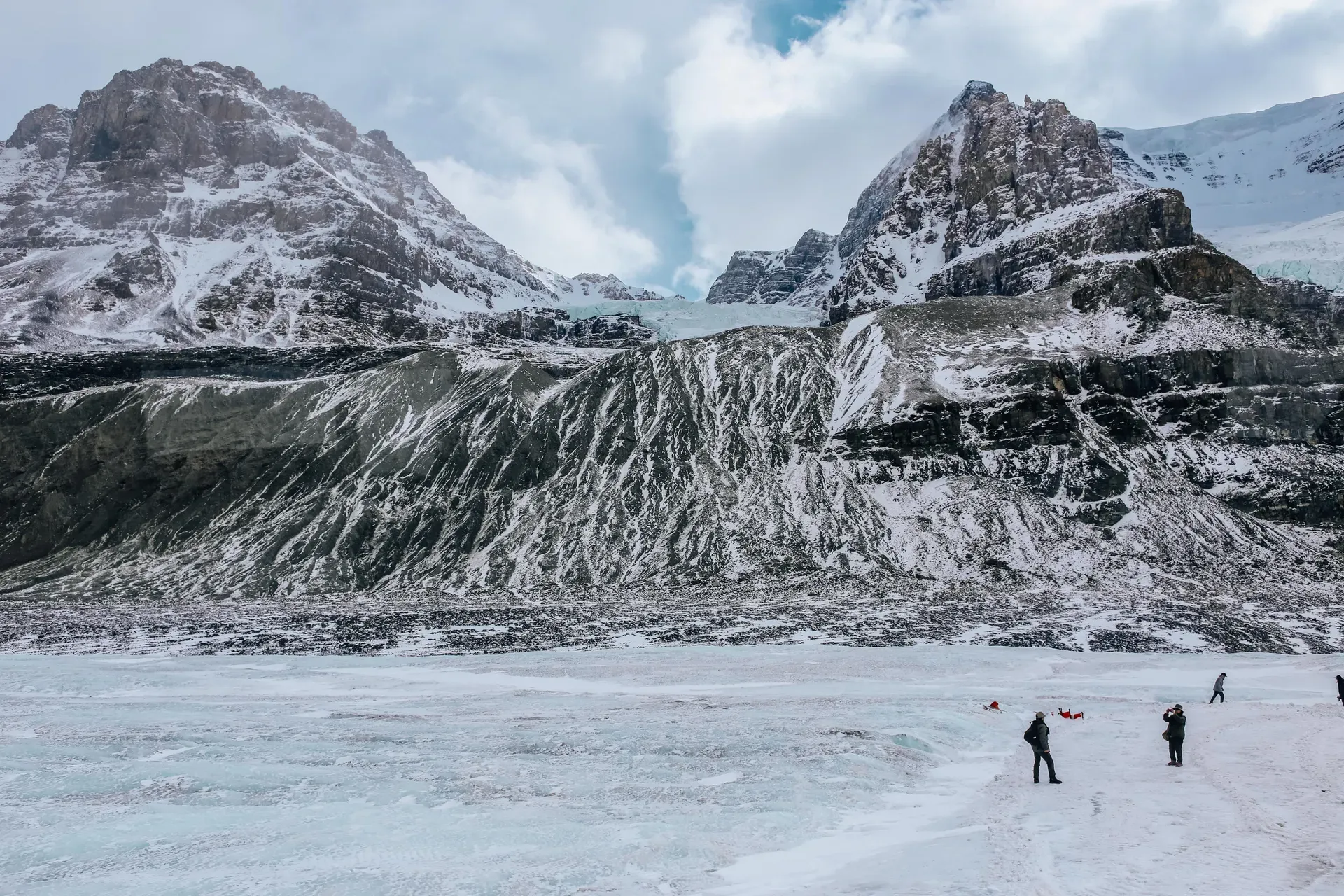
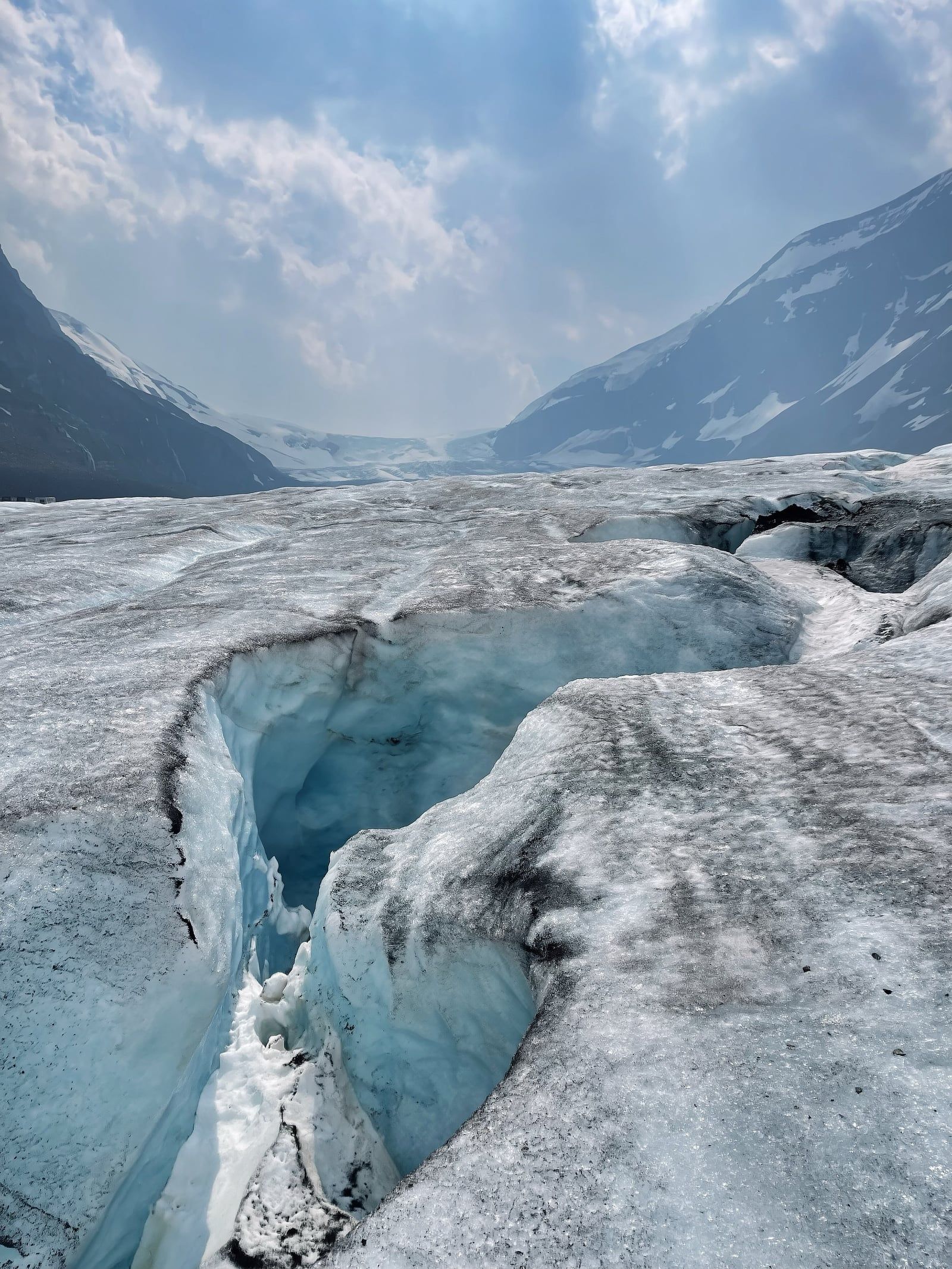
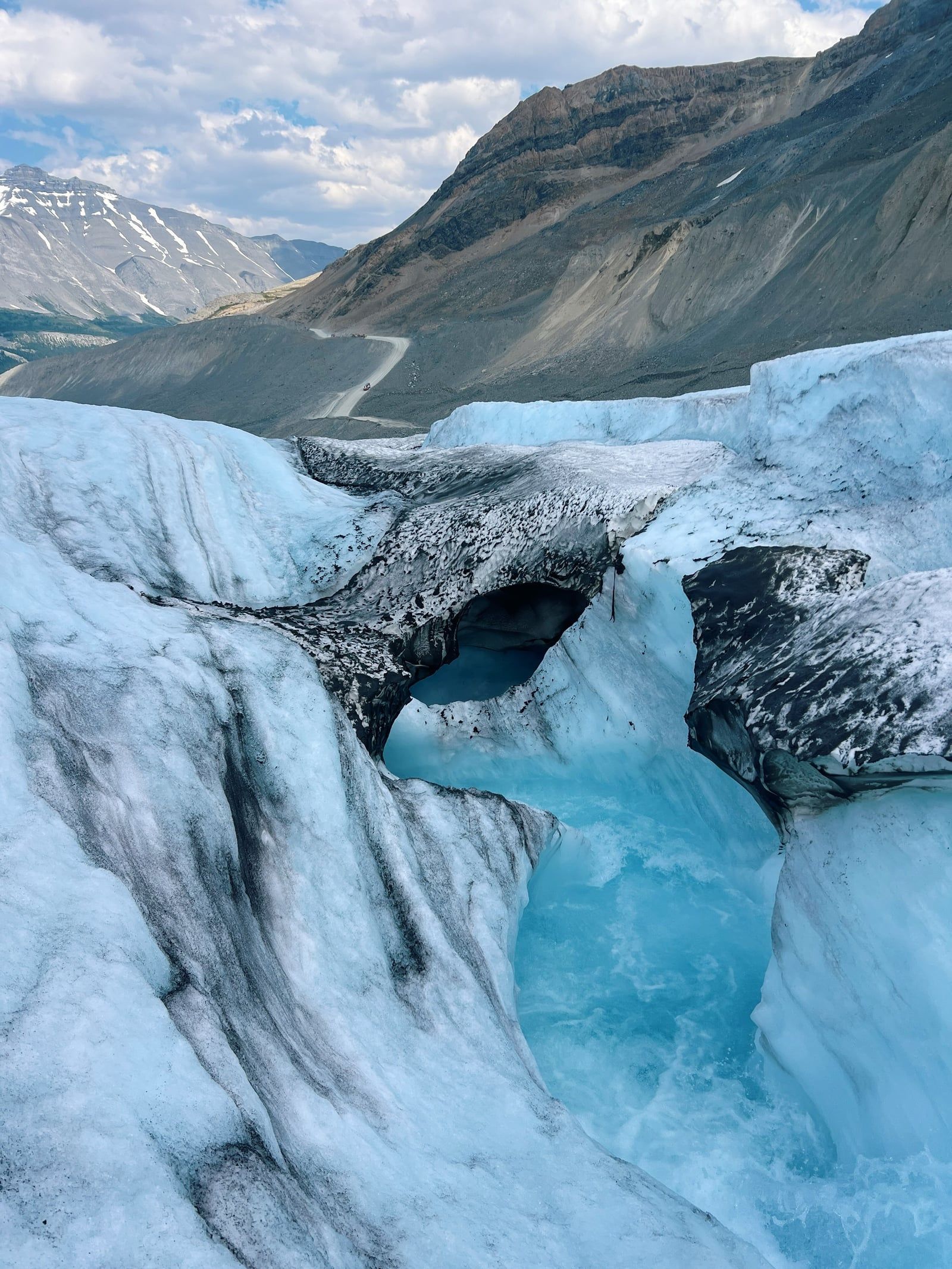
Ride a purpose-built Ice Explorer onto the 10,000-year-old Athabasca Glacier to walk the ice and drink straight from its meltwater streams. Afterward, step onto a glass-floored platform suspended 280 meters above the Sunwapta Valley.
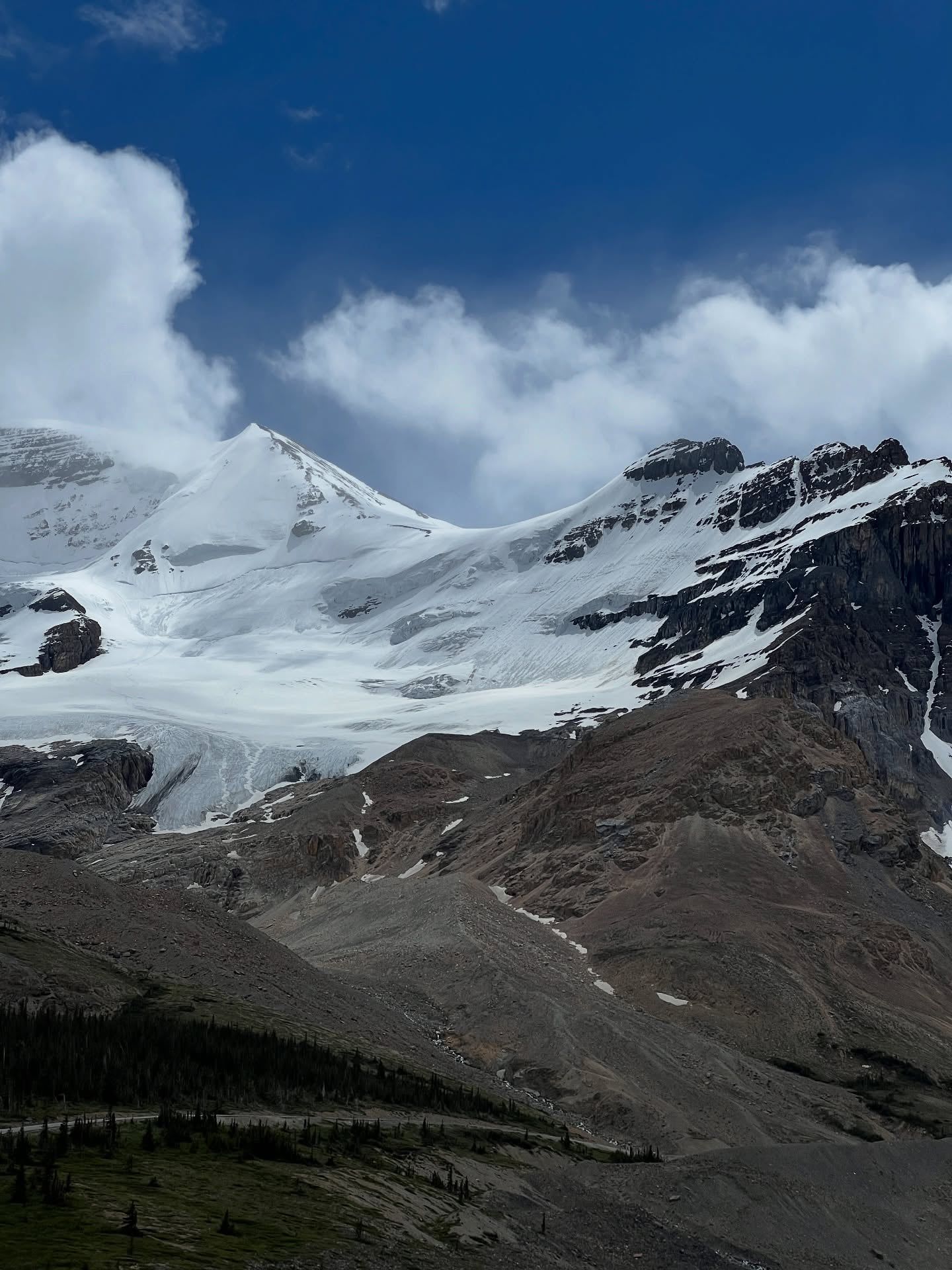
Find Guided ToursThe Columbia Icefield covers 325 square kilometres across the Continental Divide. It's the largest mass of ice in North America's Rocky Mountains. Sitting on a plateau between 1,900 and 2,800 metres above sea level, it straddles the Alberta and British Columbia border. The ice bridges the northwestern tip of Banff National Park and the southern end of Jasper. Underneath, the frozen expanse runs between 100 and 365 metres deep. It receives up to 7 metres of snow each year. Eight major outlet glaciers spill from this center, including the heavily visited Athabasca Glacier.
This location acts as the hydrographic apex of North America. Meltwater feeds river systems draining into three oceans: the Pacific, the Arctic, and the Atlantic via Hudson Bay. The surrounding peaks define the landscape, topping out at Mount Columbia's 3,747-metre summit. The entire area falls within the Canadian Rocky Mountain Parks UNESCO World Heritage Site.
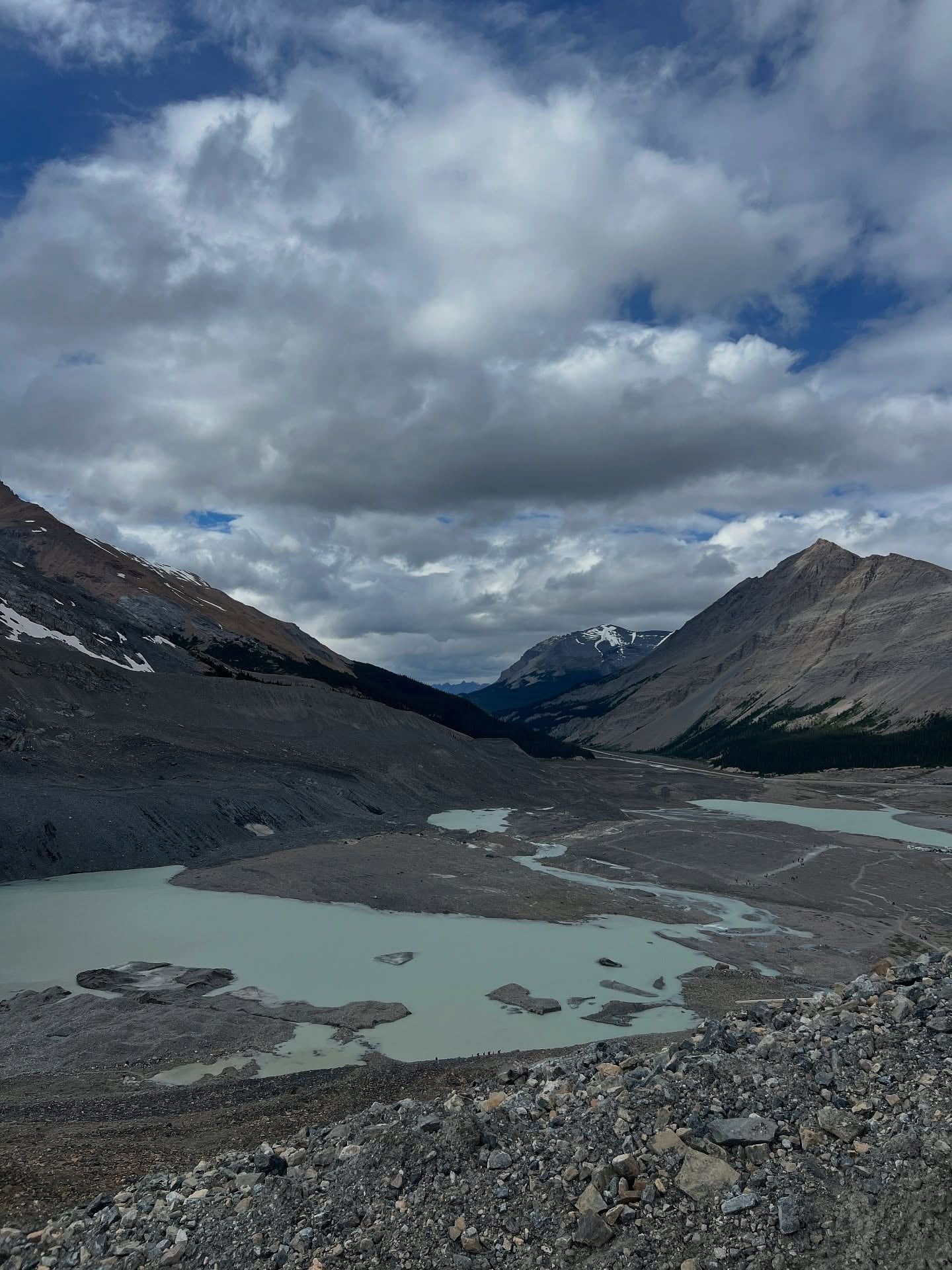
The icefield formed during the Great Glaciation roughly 238,000 to 126,000 BCE. Its last major expansion occurred during the Little Ice Age between 1200 and 1900 AD. Today, the ice is retreating. The Athabasca Glacier has receded more than 1.5 kilometres since the late 19th century. It has lost over half its volume. Right now, the glacier shrinks by roughly 5 metres in depth every year.
European explorers documented the area relatively late. Geologist Arthur Philemon Coleman explored the region in 1884, finding the route that became the Icefields Parkway. But the icefield itself didn't appear on maps until 1898. That year, British explorer J. Norman Collie climbed Mount Athabasca with companions Hugh Stutfield and Herman Wooley, outfitted by Bill Peyto. From the summit, they finally saw the massive plateau. Between 1900 and 1902, James Outram followed up with numerous first ascents, locating new passes and discovering Mount Columbia.
Discover the full history and cultural significance on our About page.
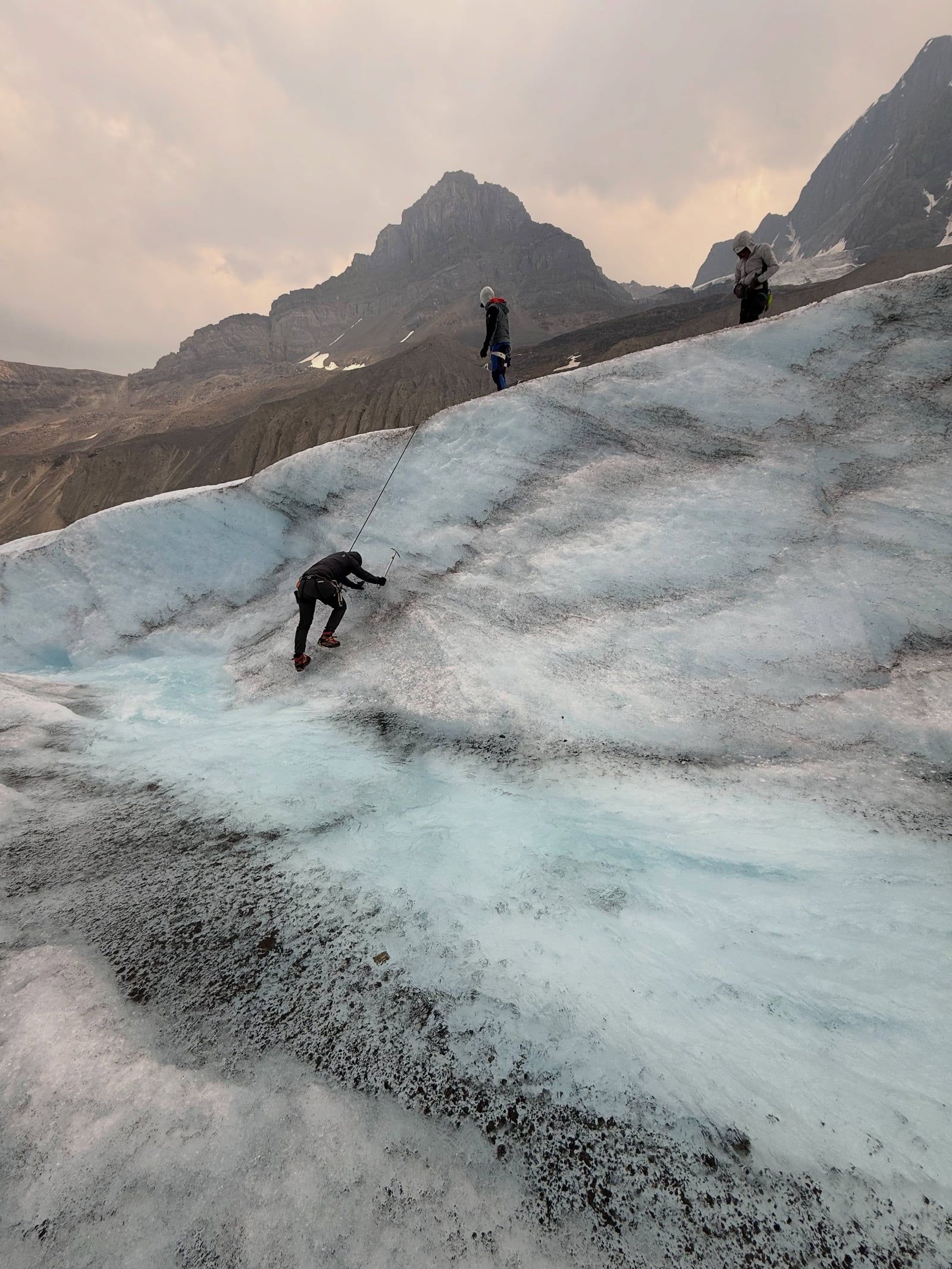
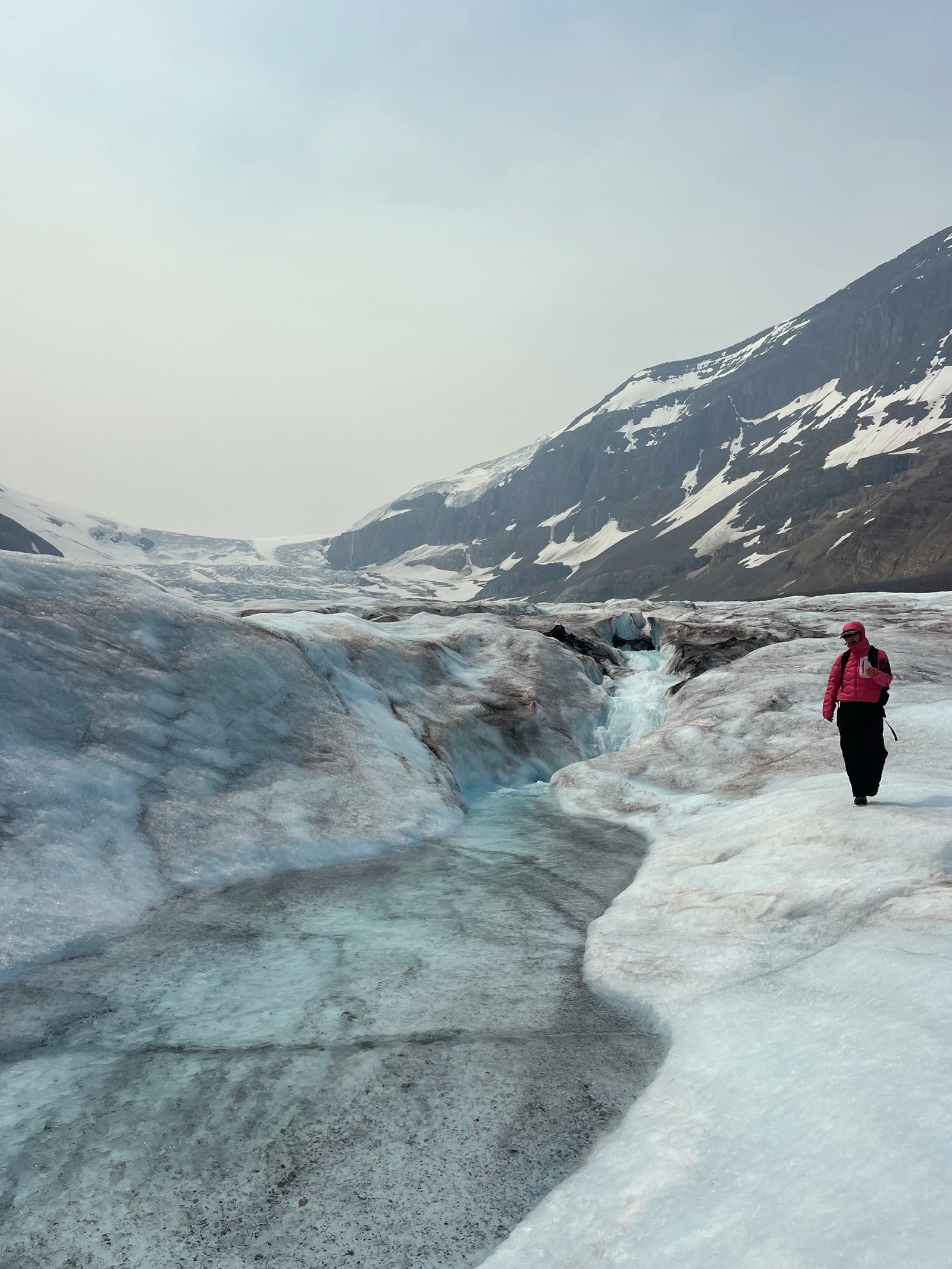
Board a massive Ice Explorer—one of only 23 such vehicles worldwide—and ride down a steep moraine onto the 10,000-year-old Athabasca Glacier. You'll spend 15 to 25 minutes walking on the ice. Bring an empty bottle to drink straight from the glacial meltwater streams.
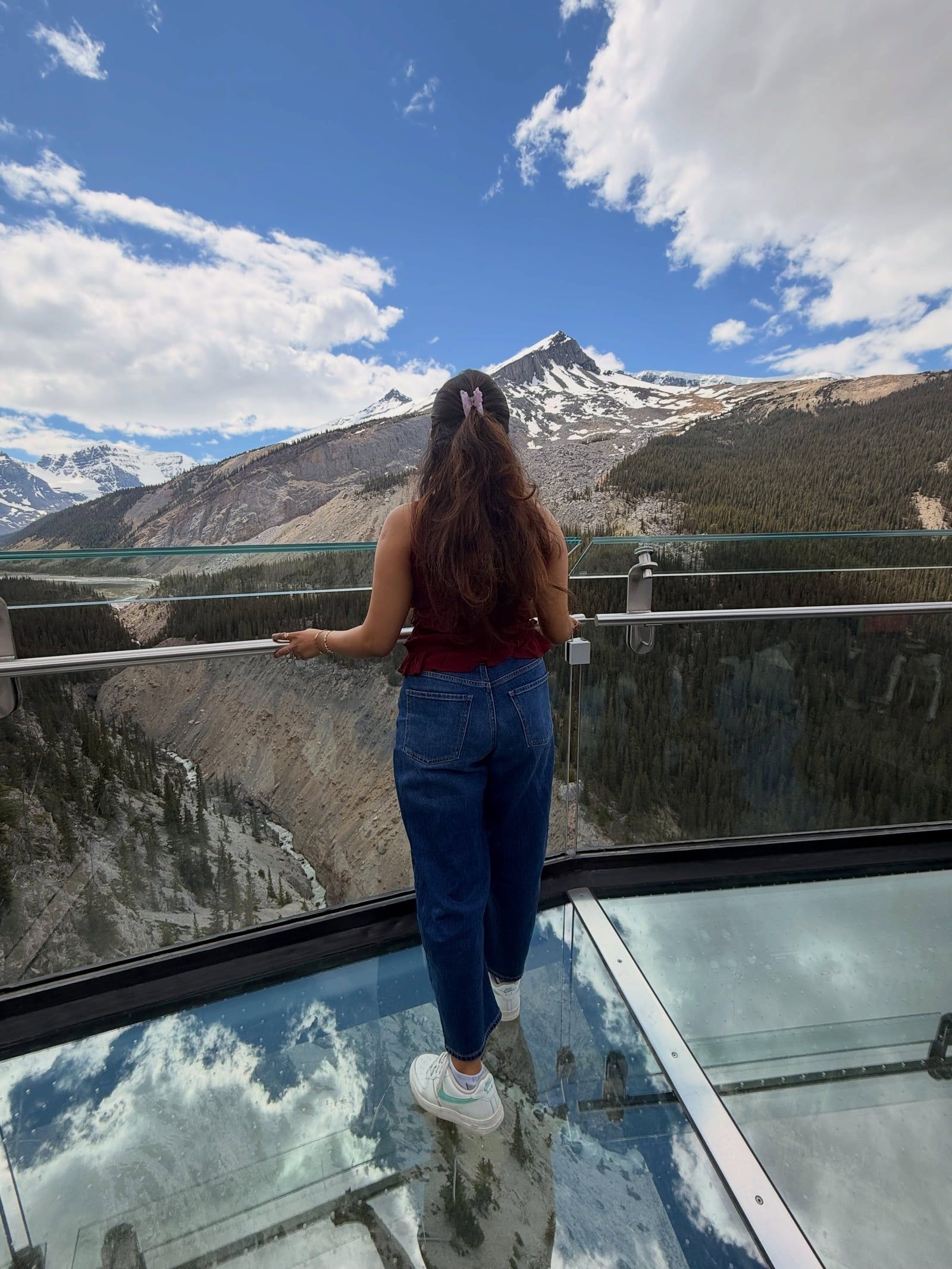
A glass-floored platform extends 35 metres straight out from the cliff edge. Look down, and you'll see the Sunwapta Valley 280 metres below. The approach is a one-kilometre paved trail where you can spot fossils in the rock and watch waterfalls cut through the gorge.
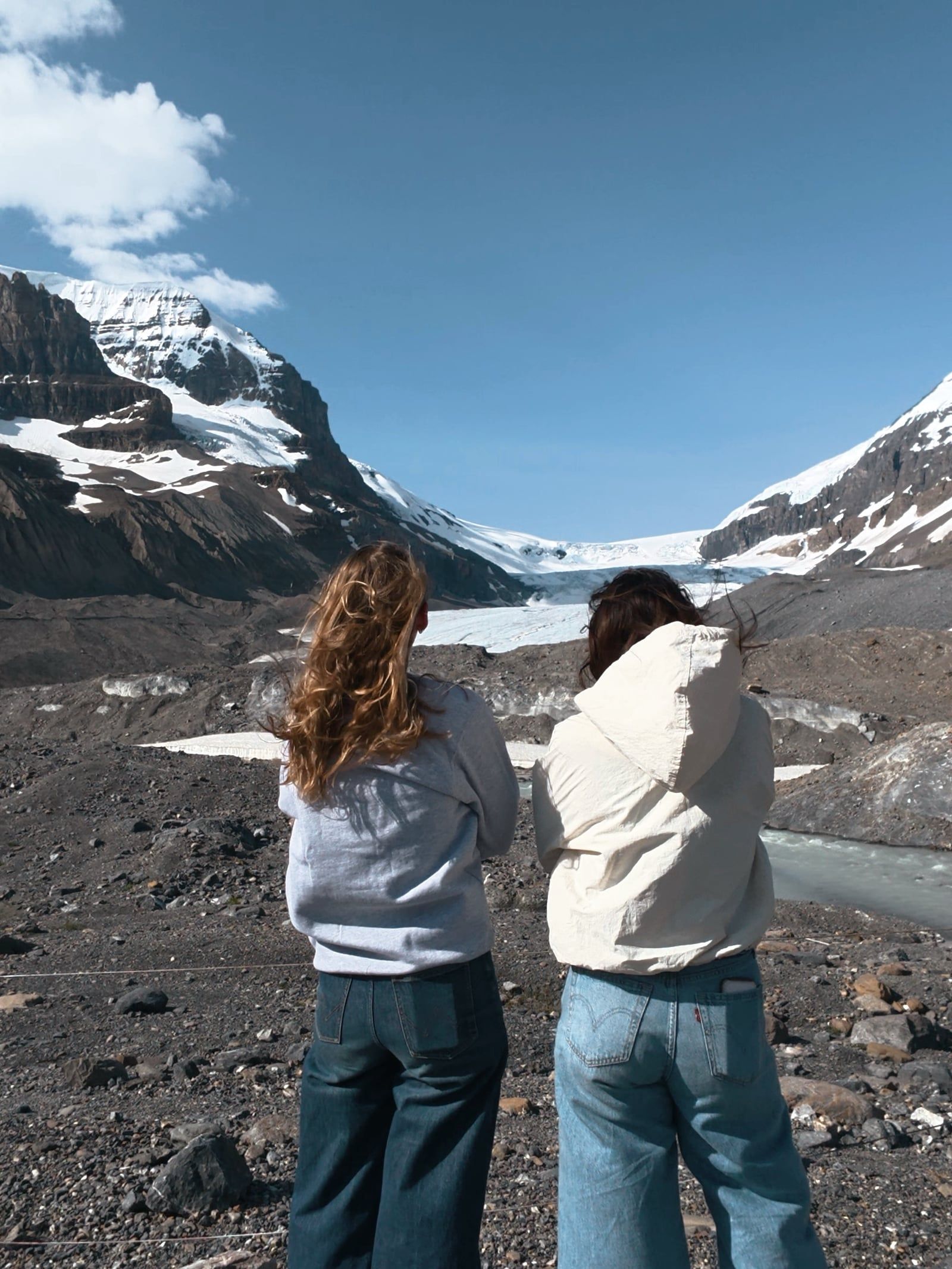
The Athabasca Glacier loses about five metres of depth every year. Since the late 19th century, the ice has retreated more than 1.5 kilometres up the valley, shedding half its total volume. Parks Canada markers along the site track this rapid melt, showing exactly where the ice used to sit.
Bighorn sheep and mountain goats frequent the steep cliffs surrounding the Sunwapta Valley. The Skywalk's trail includes displays of animal bones to help identify them. Keep an eye on the rocky ledges as you walk the paved route, since these animals often graze right above the viewing areas.
Book tickets starting at $38.06, or choose full-day tours with free 24-hour cancellation and pickups from Banff or Calgary.
Swipe to see more
 Free Cancellation 11h
  Free Cancellation
  Free Cancellation 10h
  Free Cancellation
  Free Cancellation 14h 30min
  Free Cancellation
 Mid-June through mid-September is the ideal window to visit the Columbia Icefield, when glacier tours operate fully and roadside snow has cleared. July and August offer the warmest weather, while June and September provide thinner crowds and lower prices.
The Discovery Centre and tours remain closed until May 1. Even after opening, early May brings unpredictable snow at 2,035 meters, and services on the Icefields Parkway may be limited.
July and August bring peak temperatures around 17–18°C along with heavy crowds and higher ticket prices. June offers cleared roads, full access to glacier tours, and a quieter experience.
September provides excellent touring conditions before the weather turns. The Columbia Icefield Adventure shuts down entirely after October 12, and November turns the parkway into an avalanche-prone winter route.
All attractions, including the Skywalk and Ice Explorers, are completely closed. The Icefields Parkway remains open to drivers when weather permits, but offers zero visitor services and high avalanche risk.
The Columbia Icefield Adventure and Skywalk open seasonally from May 1 to October 12 (2026 dates). Winter shuts the site down completely. Daily hours shift through the summer. From May 1 to June 14, tours run 10 a.m. to 5 p.m. They expand to 9 a.m. to 5 p.m. from June 15 through September 30. During the final stretch from October 1 to 12, operations scale back to 10 a.m. to 4 p.m. Weather at 2,035 metres dictates everything. Sudden closures happen during high winds or snow.
| Category | Price |
|---|---|
| Jasper National Park Day Pass (Adult) | CA $12.25 |
| Jasper National Park Day Pass (Senior 65+) | CA $10.75 |
| Jasper National Park Day Pass (Youth 17 and under) | Free |
| Jasper National Park Day Pass (Family/Group) | CA $24.50 |
| Columbia Icefield Adventure (Adult, Advance) | From CA $109.00 |
| Columbia Icefield Adventure (Child, Advance) | From CA $70.85 |
| Skywalk Only (Adult, Advance) | From CA $41.00 |
| Skywalk Only (Child, Advance) | From CA $26.65 |
| Columbia Icefield Attractions (Child 5 and under) | Free |
Every visitor needs a Parks Canada pass just to drive the Icefields Parkway. Attraction prices rise as your date approaches, so book online at least two weeks early. You'll get a 20% discount on tours departing after 3:30 p.m. Alberta residents also save up to 20%. If you need a wheelchair-accessible Ice Explorer, call 72 hours ahead. Missing a scheduled departure costs a CA $15 rebooking fee.
For complete schedules and ticket prices, visit our Hours & Fees page.
The only route to the icefield is the Icefields Parkway (Highway 93N), a mountain highway connecting Lake Louise and Jasper. You will need a vehicle or a seat on a commercial tour bus to get there.
📍 Columbia Icefield Glacier Discovery Centre, Icefields Parkway (Highway 93N), Sunwapta Pass, Alberta
Drive 55 kilometers west on the Trans-Canada Highway to Lake Louise. Merge onto the Icefields Parkway. Continue north for 125 kilometers. The scenic route passes Bow Lake and Peyto Lake before climbing to the Discovery Centre at Sunwapta Pass. Fill your gas tank before leaving Lake Louise, since the remote highway lacks fuel stops.
Heading south from Jasper provides the shortest access route to the glacier. Follow the Icefields Parkway for 108 kilometers directly to the Discovery Centre. You pass Athabasca Falls and Sunwapta Falls along the way. The drive takes about an hour in summer, but check for snow closures if traveling in May or October.
Operators like Discover Banff Tours run full-day buses from Banff and Calgary between May and October. Morning departures leave around 8:00 a.m. for the 180 to 280-kilometer drive north. A guide handles the driving and the mountain narration. Your ticket covers round-trip transport plus admission to both the Ice Explorer and the Skywalk.
For detailed transport options and routes, visit our Directions page.
Afternoon tours save you money. Booking a Columbia Icefield Adventure after 3:30 p.m. drops the ticket price by 20 percent. You'll also encounter smaller crowds on the ice. Reserve your spot online at least two weeks out, as walk-up tickets often sell out during July and August.
The glacier surface sits roughly 15°C colder than the Discovery Centre. Weather at the 2,035-metre elevation shifts from sunshine to snow in minutes. Wear warm layers and flat, closed-toe shoes with solid traction. You need grip to safely walk on the slippery ice.
Neither the Athabasca Glacier nor the Skywalk has washroom facilities. Use the bathrooms at the Glacier Discovery Centre before boarding your tour vehicle. Arrive at least 30 minutes before your scheduled departure. This gives you time to park, use the facilities, and check in.
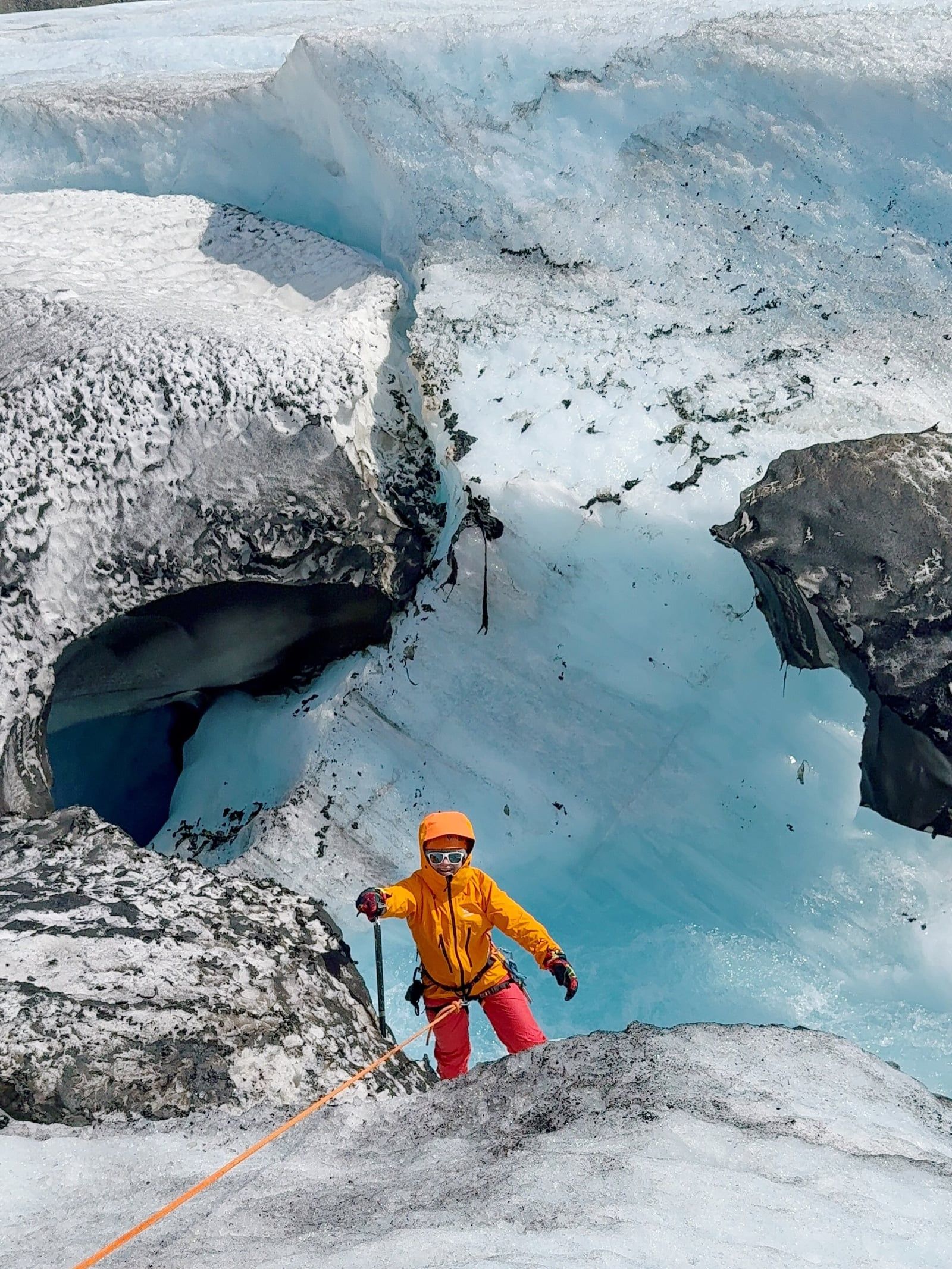
Never walk past the marked safety zones on the Athabasca Glacier. Snow bridges easily hide deep, fatal crevasses. Visitors and backcountry skiers have died falling into these cracks. The guided Columbia Icefield Adventure keeps you in a staff-monitored area for your 15 to 25 minutes on the ice.
The Icefields Parkway has long stretches without fuel stations or visitor services. Fill up your vehicle in Lake Louise or Jasper before starting the drive. You also need a valid Parks Canada pass just to travel the highway. Adult day passes cost $12.25.
The Skywalk's 800-metre loop is flat and fully accessible. Taking a wheelchair onto the glacier requires a specific Ice Explorer equipped with a lift. You must book this by phone at least 72 hours in advance. Staff will provide a code for the upper accessible parking lot.
This Class 5 waterfall drops 24 metres into a narrow limestone gorge. Paved trails lead right to the edge. You'll see exactly how the water carved deep potholes into the rock.
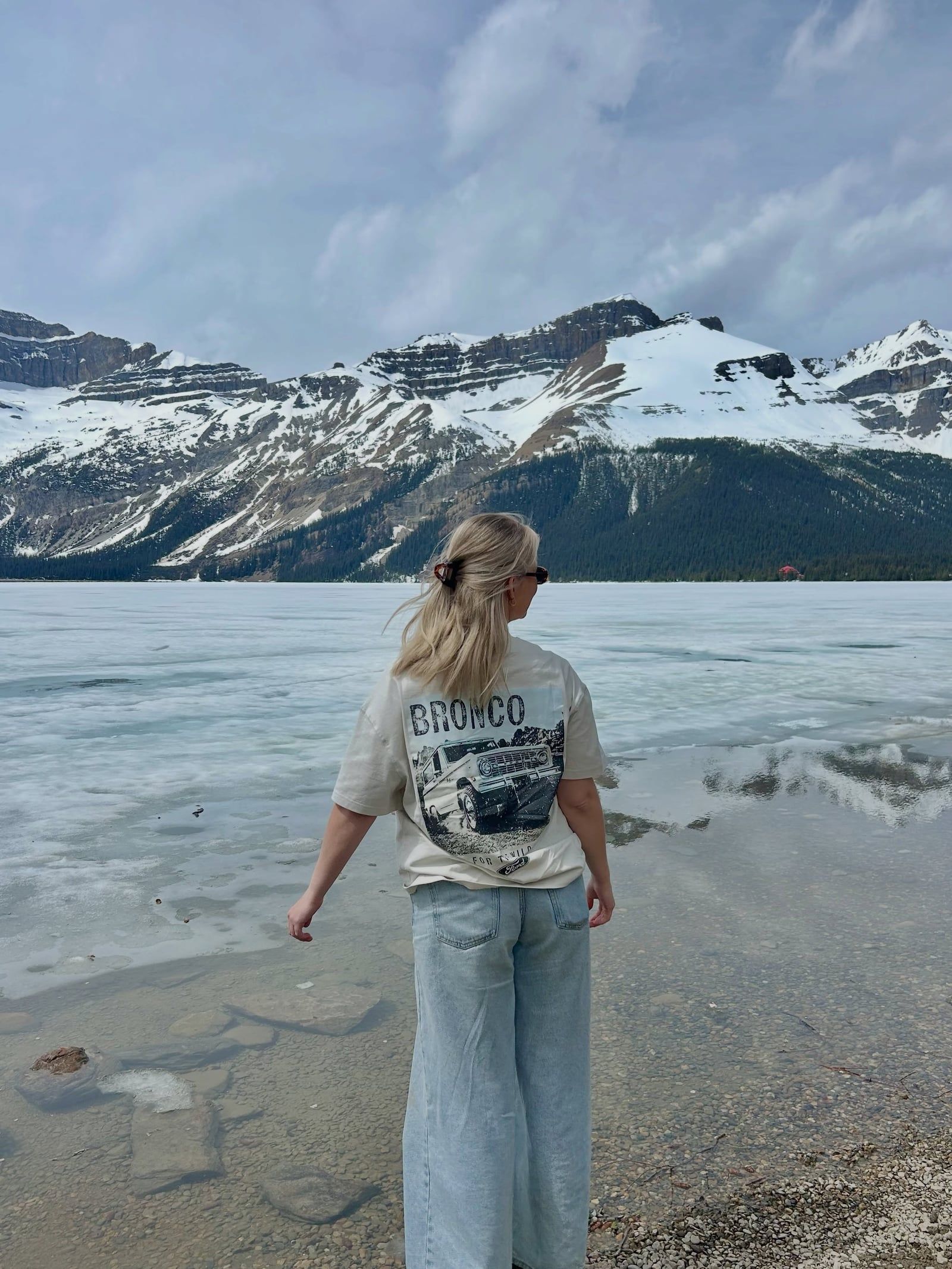
Glacial melt feeds this lake, giving the water a vivid turquoise color. The main vantage point is the Bow Summit lookout directly off the highway. It is heavily photographed.
A short walk from the parking lot reveals this two-tiered waterfall on the Sunwapta River. Check out both the upper and lower viewpoints. Backcountry hiking trails start directly from here.
Read what travelers share about their experience visiting Columbia Icefield — from practical tips to personal highlights.
Planning advice, comparisons, and practical tips.
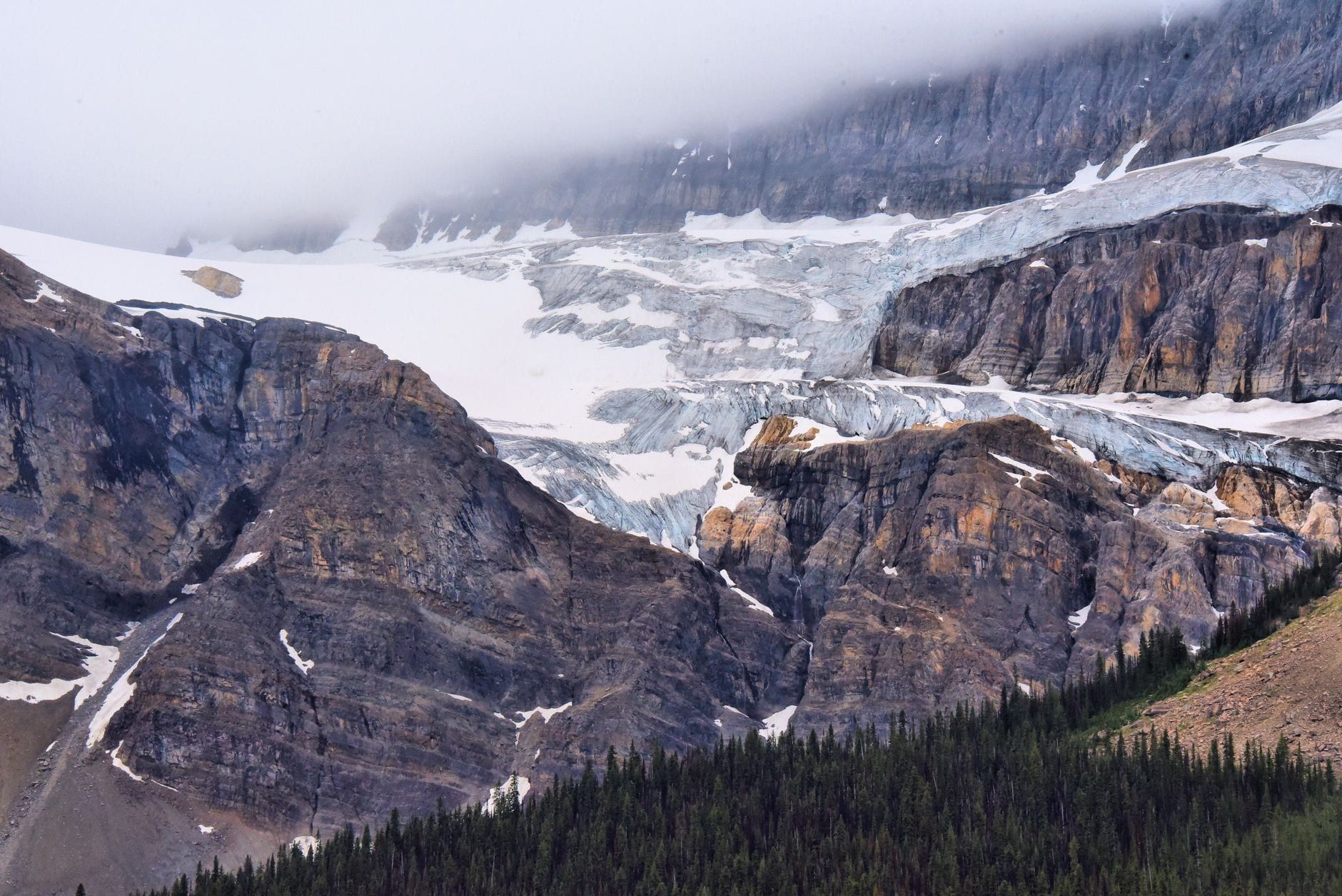
Highway 93N runs 232 km (144 miles) between Lake Louise and Jasper, climbing over the Continental Divide at Bow Summit and skirting the Columbia…
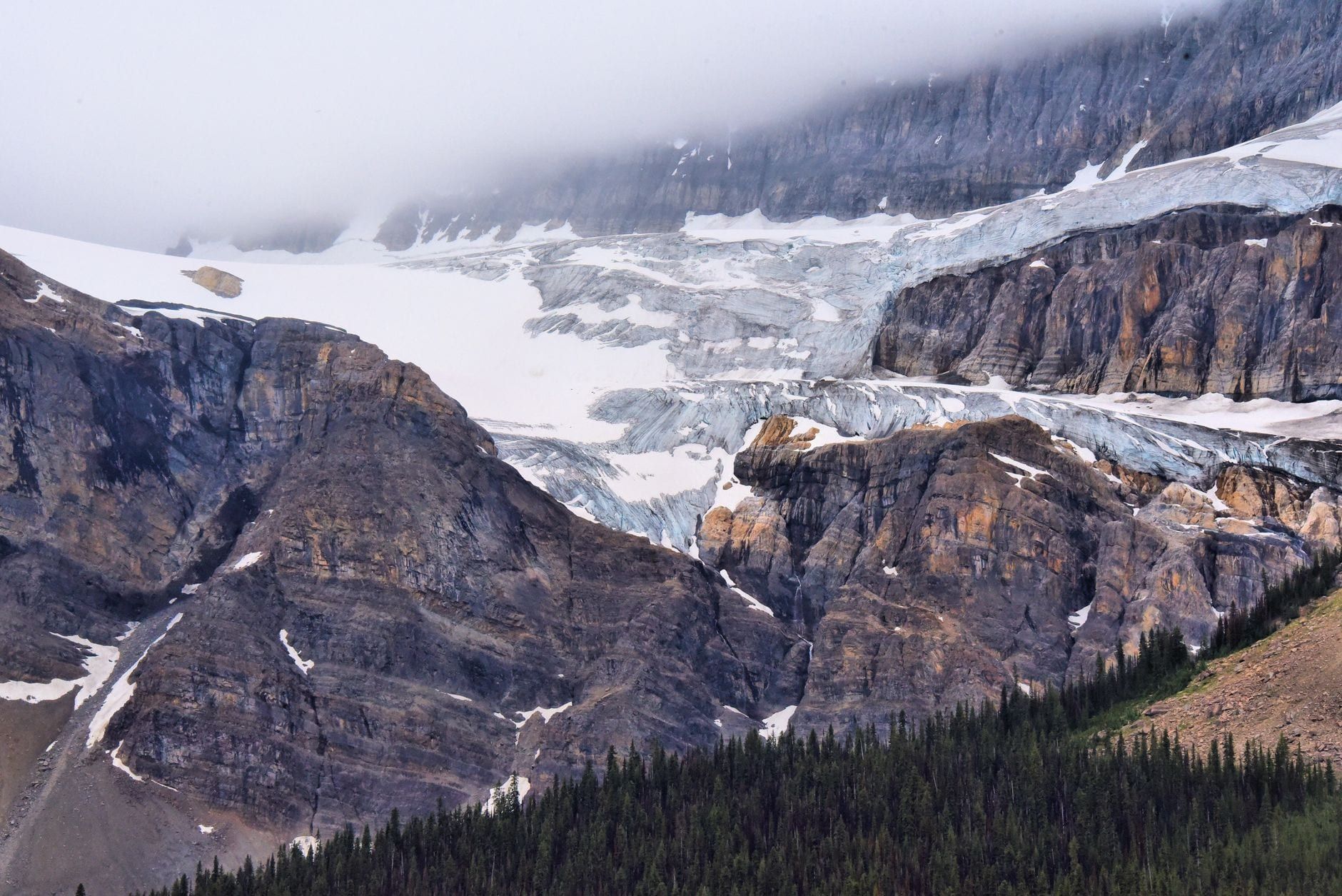
Ski down to the rope line at the Columbia Icefield Glacier Discovery Centre and you've reached the edge of the guided tourist zone. Ski tourers cross…
The combined Ice Explorer and Skywalk tour starts around CA $109 for adults and CA $70.85 for children. Skywalk-only tickets run CA $41 for adults and CA $26.65 for kids. Children five and under ride free, but you should book online at least two weeks ahead because prices rise with demand.
Yes. Every adult needs a Parks Canada day pass, which costs CA $12.25, just to drive the Icefields Parkway and park at the Discovery Centre. Youth 17 and under enter the national park for free.
The attraction operates seasonally from May 1 to October 12. Daily hours run between 9 a.m. and 5 p.m. during peak summer, shrinking slightly in May and October. Outside this window, the Discovery Centre and all glacier tours shut down completely for winter.
The combined Ice Explorer and Skywalk experience takes roughly 2.5 to 3 hours round-trip from the Glacier Discovery Centre. This includes 15 to 25 minutes of actual walking time on the Athabasca Glacier. If you only visit the Skywalk, expect to spend 30 to 45 minutes walking the 1-km loop.
Driving from Banff takes about 2 hours and 30 minutes to cover the 180 km route north. Jasper is much closer. You can reach the Discovery Centre in about an hour by driving 108 km south from the Jasper townsite.
Bring warm layers and wear flat, closed-toe shoes with grippy soles like sneakers or hiking boots. The glacier surface is about 15°C colder than the Discovery Centre, and conditions often shift from bright sun to a snowstorm in minutes. You should also bring a water bottle to fill straight from the glacial meltwater.
Yes, though you must call 72 hours in advance to book one of the two Ice Explorers equipped with a wheelchair lift. The Skywalk features a flat, 800-metre paved loop that easily accommodates wheelchairs and strollers. The Discovery Centre requires climbing 75 stairs from the lower parking lot, but an alternate ramp pathway is available.
Walking onto the ice outside the marked tourist zones is dangerous and strongly discouraged. The glacier is full of hidden crevasses covered by snow bridges, which have caused fatal falls in the past, including a child in 1990. To walk safely on the ice, you must take the guided Ice Explorer tour or hire a specialized mountaineering outfitter.
Browse verified tours with free cancellation and instant confirmation.
Find Tours

